
 MENU
Tutor time quiz ideas that need no prep
Seven quick quiz formats for secondary tutor time, a weekly routine, and how to run a whole group quiz on the board with no prep and no pupil accounts.
Tutor time is short, it comes at the start of the day, and half the group is still waking up. A quick quiz is one of the few things that works almost every time: it gets everyone talking, it fills ten minutes without a worksheet, and it builds the kind of general knowledge that never sits in one subject.
Here are quiz formats that need no prep or almost none, a simple weekly routine, and how to run them on the board with a secondary tutor group.
Why a quiz works in tutor time
Tutor time has no syllabus to cover, which is exactly why it drifts. A quiz gives it a shape: a clear start, a bit of competition, and an end that nobody has to police. It also does a few useful things on the side:
- It mixes the group. Teams of three or four break up the same seating every morning.
- It rewards different pupils. The pupil who never puts their hand up in maths might know every football club in Spain.
- It builds cultural capital. Capitals, famous scientists, historical periods and authors come up again and again in GCSE and A level work, and in life.
- It is calm. Five minutes of quiet thinking settles a noisy group better than a talk.
Seven tutor time quiz formats
1. One prompt, everyone answers
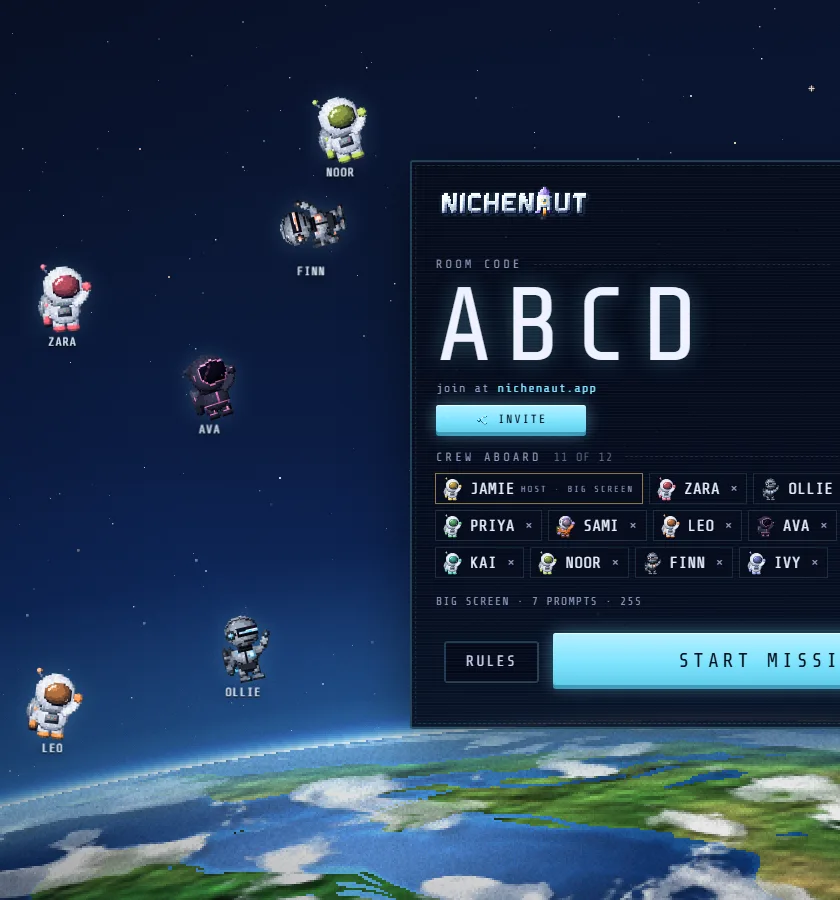
Put one open prompt on the board, like name a country in Africa, and every pupil gives one answer. Right answers that fewer people gave score more. It is quick, it gets the whole group thinking at once rather than one pupil per question, and the reveal is a discussion in itself. This is what Nichenaut is built for (more below).
2. The news quiz
Five questions on this week's headlines, read out on a Friday. Keep it to stories that are safe for the group and avoid anything distressing. Pupils who read or watch the news do well, and the ones who don't start to.
3. The list challenge
Teams get two minutes to write as many answers as they can for a category: elements, Shakespeare plays, countries in South America. Then cross off any answer another team also wrote. The team with the most answers left wins.
4. Odd one out
Show four words, like Mercury, Venus, Pluto, Mars, and ask which is the odd one out and why. There is often more than one good answer, so the reasoning matters more than the pick.
5. Higher or lower
Read a statement with a number in it (the height of Everest, the year the Berlin Wall fell, the population of Canada) and pupils guess higher or lower than a number you give. Good for estimation and a lot of noise.
6. Ten second picture
Show a flag, a painting or a building for ten seconds and ask what it is. It needs a few images ready, but a search for “flags of the world” covers a whole term.
7. Pupil made rounds
Once a fortnight, a pair of pupils write and run a five question round on something they know well. They usually pitch it harder than you would, and the rest of the group respects that.
A simple weekly routine
| Day | Quiz | Time |
|---|---|---|
| Monday | One prompt, everyone answers | 5 to 10 minutes |
| Tuesday | Odd one out | 5 minutes |
| Wednesday | List challenge in teams | 10 minutes |
| Thursday | Ten second picture or higher or lower | 5 minutes |
| Friday | News quiz, or a pupil made round | 10 minutes |
Keep a running score on the wall for the half term. A small, steady competition lasts longer than one big quiz before the holidays.
Running it on the board with Nichenaut
Nichenaut is a free general knowledge and vocabulary quiz in the browser, for pupils aged 13 and over. Class mode sets it up for a room like a tutor group:
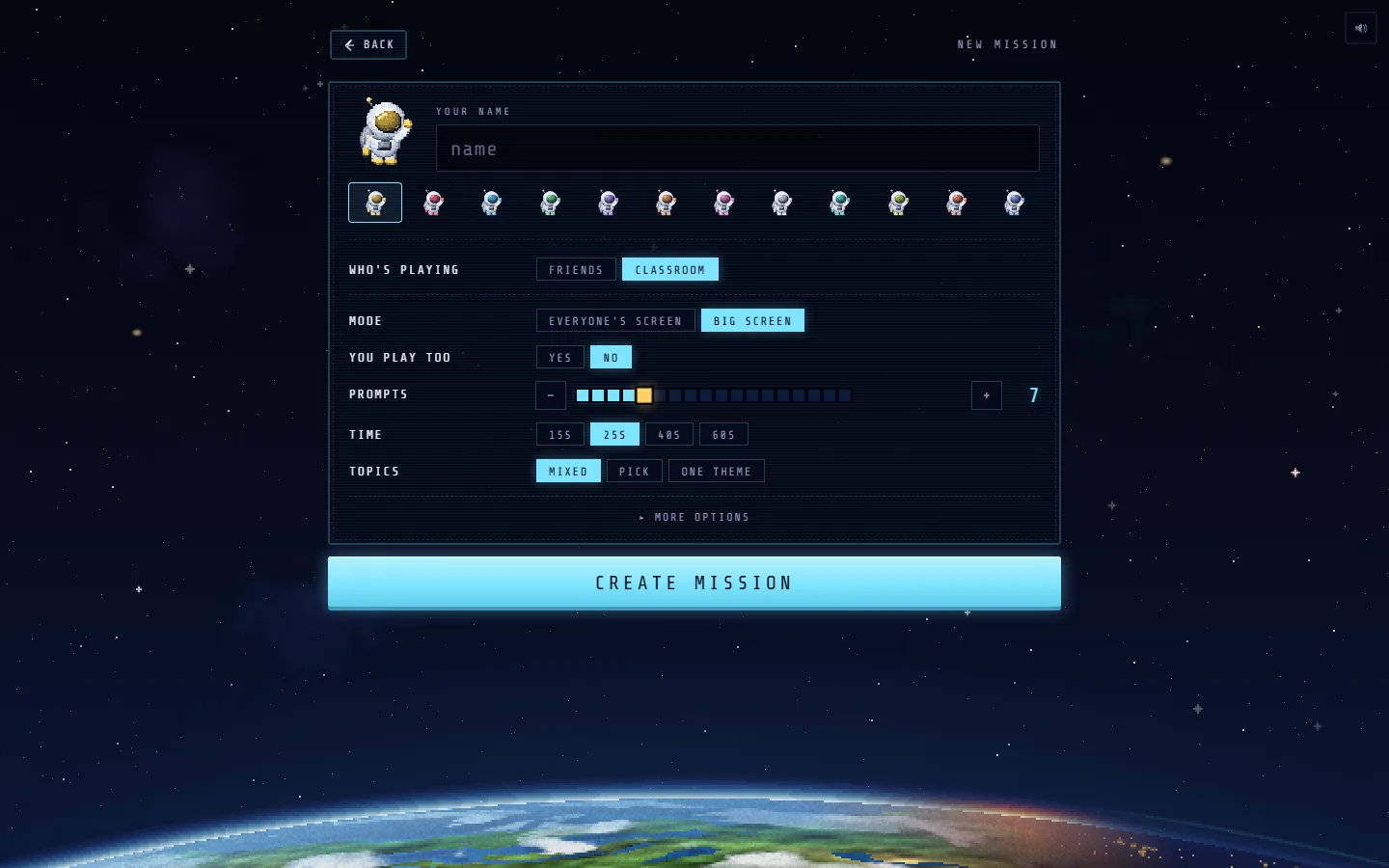
- Open nichenaut.app on the classroom computer, press HOST A MISSION and choose CLASSROOM.
- Pick a topic or mix them, the number of prompts and the time per prompt.
- Pupils go to nichenaut.app on a phone, tablet or laptop and type the room code, or scan the QR code. They pick a name. No accounts or emails.
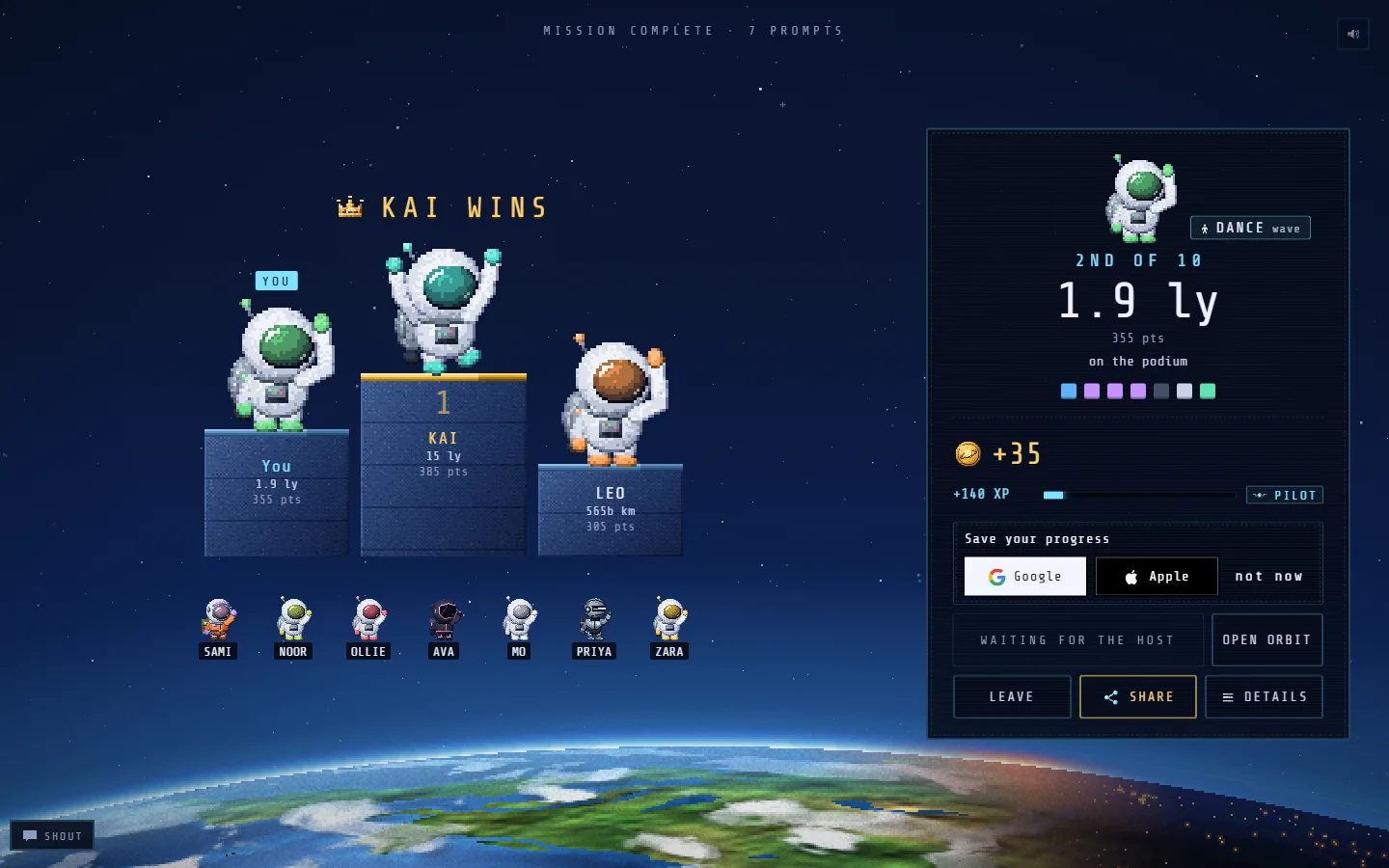
- After each prompt, the board shows every answer the group gave, from the most common to the rarest.
Class rooms take up to 25 pupils, have no chat (only preset reactions), never use the 18+ prompts, and show no adverts or paid offers. You can remove a player or skip a prompt at any time. Pupils can also share a device in pairs, which gets them talking about the answer. Some prompts that suit tutor time:
- Name a capital city
- Name a famous scientist
- Name a historical period or era
- Name a famous author
- Name an event in the school year (days, trips, holidays and traditions)
- Name a language
- Name a mountain
- Name a job or career
Tips that keep it working
- Same time, same slot. A routine pupils can predict needs less managing.
- Teams over individuals for anything with a winner, so nobody is singled out for not knowing.
- Talk about one answer. After the reveal, ask who gave the rarest right answer and how they knew. That minute is often the best part.
- Stop while it is still fun. Ten minutes is plenty. End before the energy drops.
Questions people ask
What is a good quiz for tutor time?
Short formats that involve everyone at once work best: one open prompt where everyone answers, a two minute list challenge in teams, odd one out, or a five question news quiz. Each takes five to ten minutes and needs little or no prep.
Is there a free tutor time quiz with no sign-up?
Yes. Nichenaut is free in the browser for pupils aged 13 and over. The tutor hosts class mode on the board, pupils join with a room code on their own devices, and nobody needs an account.
How long should a tutor time quiz be?
Five to ten minutes. Long enough for everyone to answer and talk about one or two answers, short enough to finish before registration ends or the energy drops.
How do I stop the same pupils winning every time?
Use teams, mix them each half term, and use formats that reward broad knowledge rather than speed. In Nichenaut every pupil gets the full time and rarer right answers score more, so fast typists have no advantage.

free, in the browser
Play Nichenaut
One prompt on the board, every pupil answers, and the rarest right answers score most. Free, no sign-up, for pupils aged 13 and over.
 PLAY NOW
More from the blog
 Classroom
Vocabulary games for secondary lessons
Six vocabulary games that get a whole secondary class retrieving key words, with timings, Tier 2 and Tier 3 words explained, and prompts you can use on the board.
 Classroom
End of term quiz ideas for secondary classes
Round ideas for an end of term class quiz, an hour planned minute by minute, seasonal prompts, and how to run it on the board with teams and no prep.
 Classroom
 games that work on school devices and networks
What to check before relying on a quiz tool in a lesson: browser or app, pupil accounts, chat, adverts and school web filters, and what to send IT to get a site allowed.