
 MENU
How to get better at general knowledge quizzes
Practical ways to know more and remember it under pressure: think in lists, learn the second answer, practise little and often, and stop freezing on the obvious one.
Some people seem to know a bit about everything. They get the pub quiz music round, the geography question and the one about Roman emperors. It looks like a gift, but mostly it is habit: they have picked up a lot of small facts over time and, just as importantly, they can find them in their head when it counts.
Both halves can be trained. This guide covers how to take in more general knowledge without it feeling like homework, and how to get better at pulling it out under the pressure of a timer. We make a quiz game, so we have watched a lot of people get better at exactly this.
Knowing something is not the same as recalling it
Ever said “oh, I knew that” when the answer was read out? That is the gap between recognising a fact and recalling it. You recognise far more than you can recall on demand. Most quiz improvement comes from closing that gap, not from learning brand new facts.
The good news is that recall gets stronger every time you use it. Pulling a fact out of memory, even slowly, makes it easier to pull out next time. Reading the same fact again does much less. So the single best habit is simple: test yourself more and reread less.
Think in lists, not single facts
Lots of quiz questions are really list questions in disguise. “Which country borders both France and Austria?” is easy if you can run through the neighbours of each. “Which planet has the most moons?” is easier if you have a rough list of planets and what each is known for.
So build lists. Not by memorising them in one go, but by noticing when you have one in your head and filling it out. Useful lists to know well:
- Countries by continent, and their capitals
- The planets, and the bigger moons
- UK prime ministers and US presidents since 1945
- The first 20 elements, plus the famous ones after that
- Shakespeare plays, Dickens novels, the main Greek gods
- Kings and queens of England, roughly in order
Once you have a list, practise saying as many items as you can in a minute. You will notice the ones you always forget. Those are worth a second look.
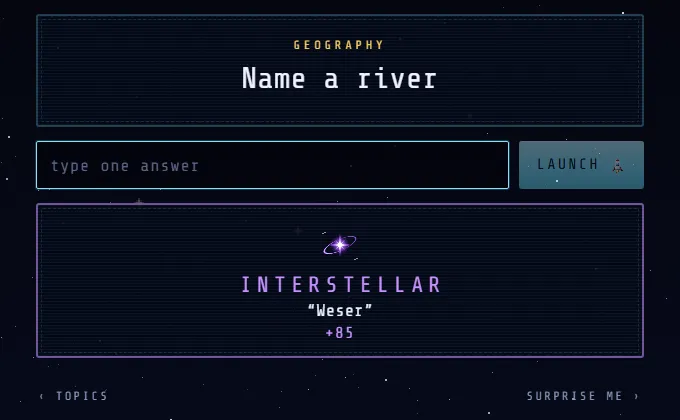
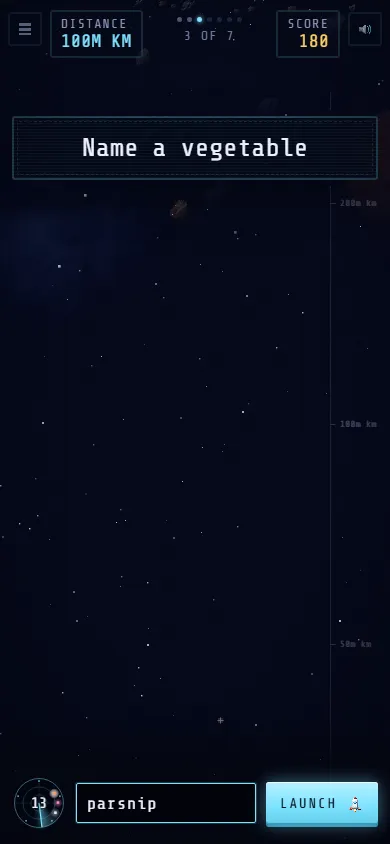
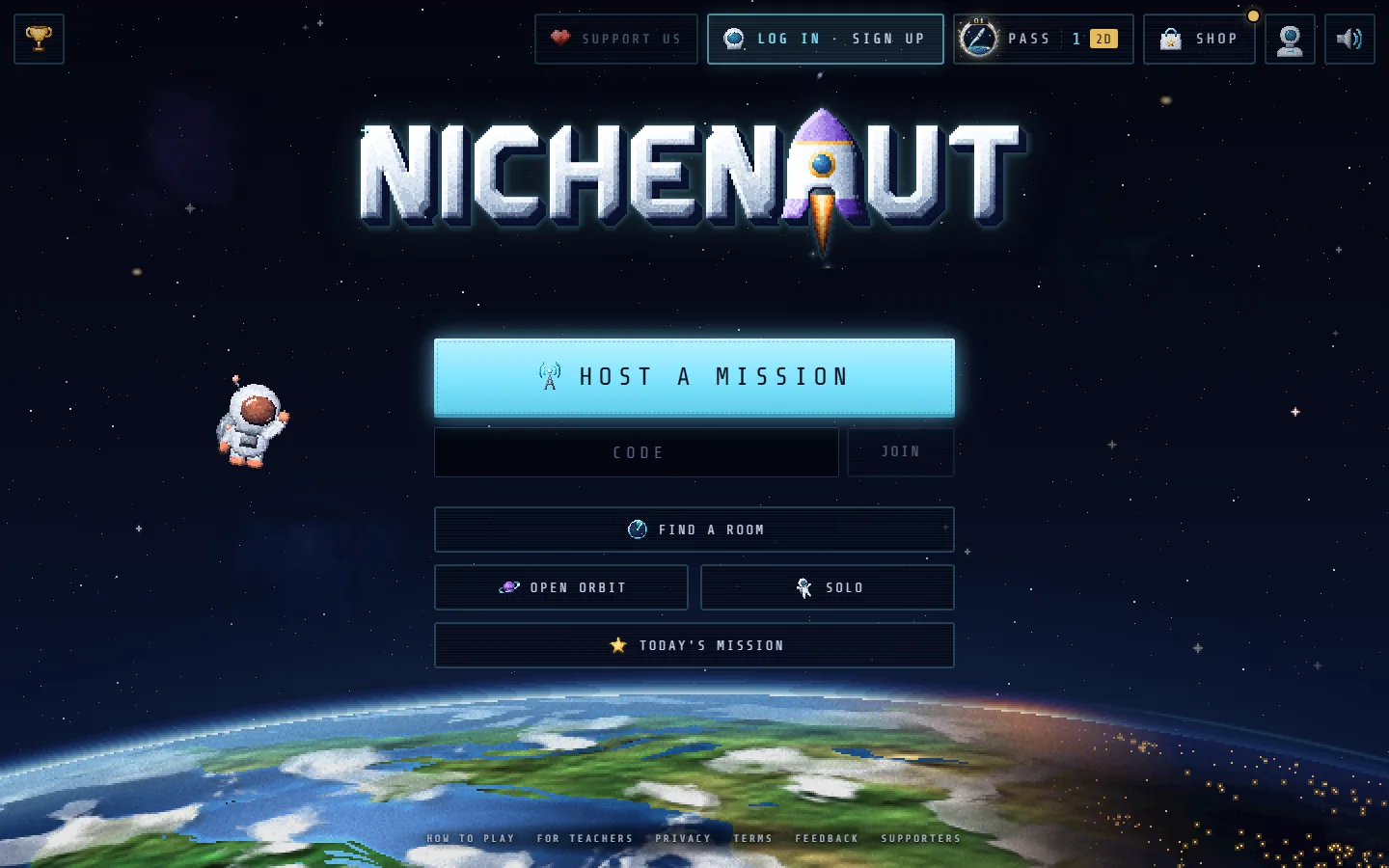
In our game every round is a list question. A prompt like the ones below has hundreds of right answers, and the further down your mental list you can reach, the more you score:
- Name a country in Europe
- Name a US state
- Name a Roman emperor
- Name a famous scientist
- Name a moon in our Solar System
- Name a musical term
Learn the second answer
When you learn something new, ask: what else is like this? If you learn that the Danube flows through Vienna, ask which other capitals sit on rivers. If you learn that Saturn has rings, find out that Jupiter, Uranus and Neptune do too, just fainter.
This habit does two things. It links facts together, so remembering one helps you remember the others. And it gets you past the first answer everyone knows. In quizzes where a rare right answer scores more, like Pointless or Nichenaut, the second and third answers are where the points are.
Take in more without trying too hard
The people who know lots of things rarely sat down to learn them. They picked them up from what they read, watch and listen to. A few easy ways to widen what you take in:
- Follow the rabbit hole. When something catches your interest, a film, a match, a news story, spend five minutes reading around it. One Wikipedia article usually leads to three more.
- Mix your media. If you only watch sport, try a history podcast on the bus. If you only read novels, watch a documentary about space. Range matters more than depth for general knowledge.
- Read the news properly once a week. Not headlines, but a few longer pieces. Current events are a big part of most quizzes.
- Look at maps. Geography comes up in almost every quiz, and a minute looking at a map of a region you do not know well pays off for years.
- Notice names. Authors of books you see in shops, directors of films you watch, the composer of a theme tune. Quiz questions love the person behind the famous thing.
Practise little and often
Ten minutes a day beats an hour on Sunday. Spaced practice, coming back to things after a gap, is one of the most reliable findings in memory research. A short daily quiz is an easy way to build that habit.
Some options:
- A daily quiz. Nichenaut has Today's Mission: the same seven prompts for everyone each day, with a daily board. Plenty of newspapers and quiz sites run a daily quiz too.
- List quizzes. Sporcle's “name all the” quizzes are great for building the lists above.
- Practice mode. On Nichenaut's Practice page you can pick any prompt, type an answer and see how rare it is. Nothing is saved and nothing counts, so it is a safe place to test whether that obscure answer you half remember is actually right.
- Quiz shows. Play along with Pointless, University Challenge or Only Connect. Say your answer out loud before the contestants do.
Getting answers out under pressure
Freezing is the most common complaint we hear. The timer starts, the prompt says name a bird, and you cannot think of a single bird. A few tricks help:
- Search by place. Instead of searching for “birds”, picture places: a garden, a beach, a zoo, a farm. Robin, gull, flamingo, chicken. Each place unlocks a few answers.
- Search by letter. Run through the alphabet in your head. A: albatross. B: buzzard. It is slow, but it never fails completely.
- Search by memory. Think of a film, a book, a holiday or a lesson linked to the topic. Your memory is organised around experiences, not categories.
- Have a safe answer ready. If you go blank, settle on something you know is right first, then use the seconds left to look for something better before you send it. Swap only if you are sure.
- Breathe out. It sounds silly, but stress narrows recall. A slow breath out buys you more than it costs.
Play with other people
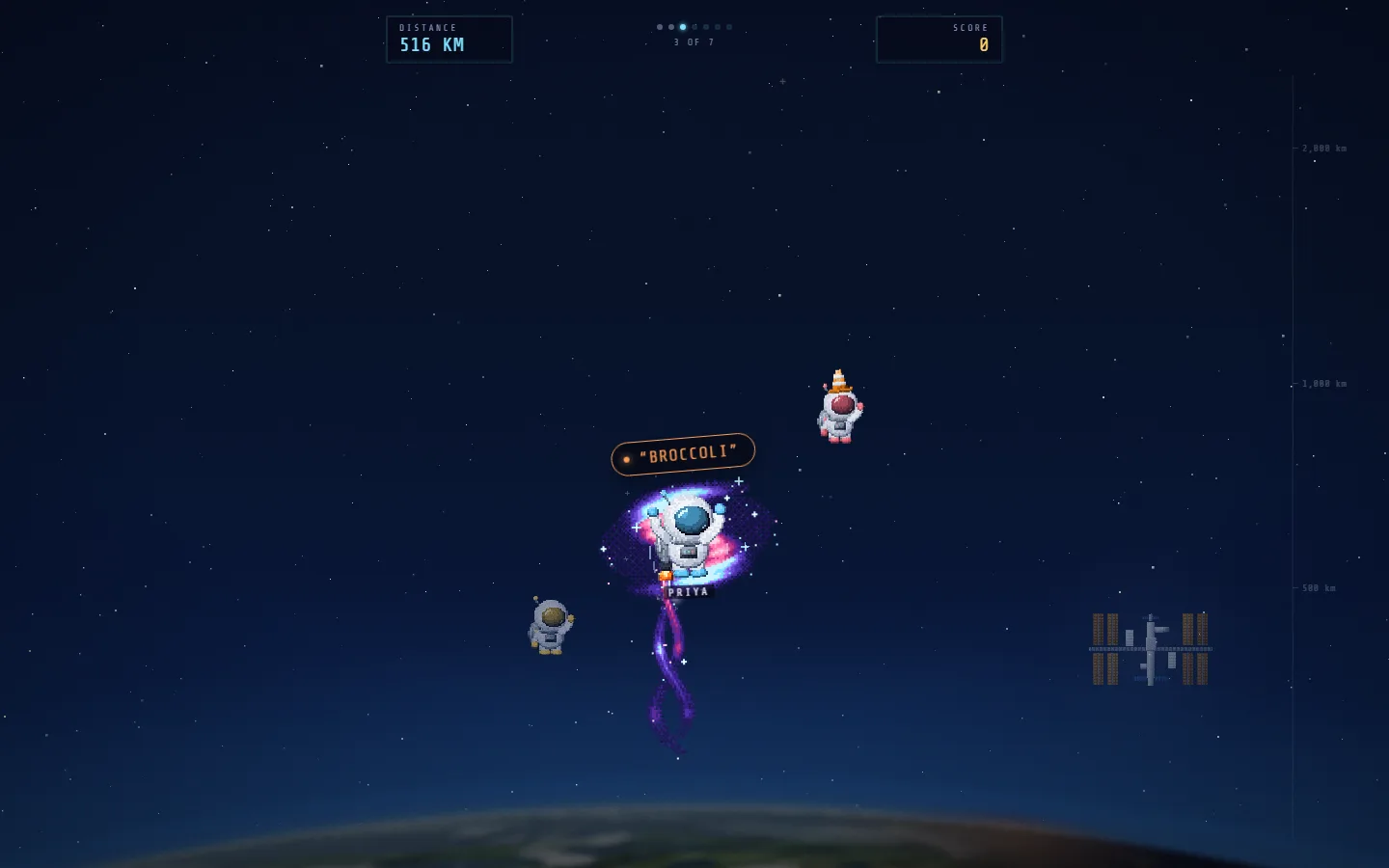
Quizzing with friends teaches you faster than quizzing alone, because you hear answers you would never have thought of. Every time someone says something surprising and right, you have a new fact attached to a memory of who said it, which makes it stick.
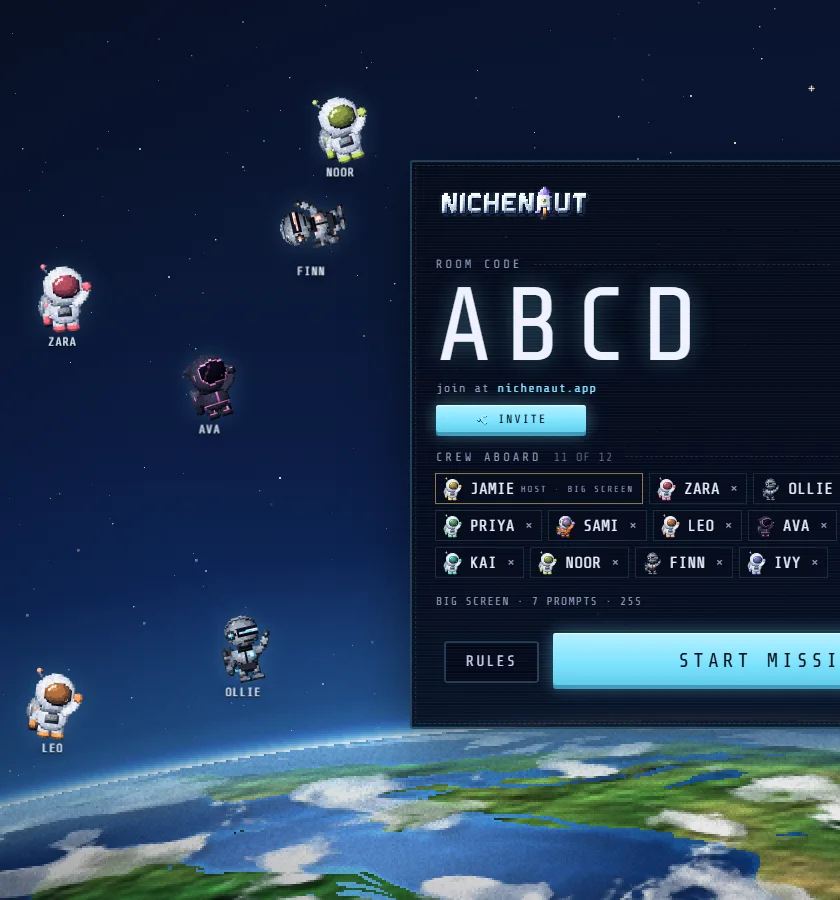
A pub quiz team works well if it is mixed: someone who knows sport, someone who knows music, someone who reads a lot of history. Online, a game where everyone sees each other's answers at the end does the same job. In Nichenaut, the reveal shows every answer the room gave, from the most common to the rarest, so each round teaches you a few answers you did not have.
Questions people ask
How can I improve my general knowledge quickly?
Test yourself rather than rereading. A short daily quiz, a few list quizzes on topics you are weak at, and one minute looking up every answer you got wrong will improve your scores within a few weeks.
What topics come up most in general knowledge quizzes?
Geography, history, science, sport, music, film and TV, and current events. Countries and capitals, the planets, the elements, monarchs and leaders, and famous works and their creators come up again and again.
Is there a free game to practise general knowledge?
Yes. Nichenaut is free in the browser. Its Practice page lets you try any prompt and see how rare your answer is, and Today's Mission gives you the same seven prompts as everyone else each day.
Why do I go blank in quizzes when I know the answer?
Recognising a fact is easier than recalling it, and stress makes recall harder. Searching your memory by place, letter or experience, and practising recall often, both help.
free, in the browser
Play Nichenaut
Every prompt has hundreds of right answers, and the rarer yours is, the further you fly. Play with friends, a class or on your own.
 PLAY NOW
More from the blog
 Party games
Games like Pointless you can play with friends
Love finding the answer nobody else thought of? Here are the best ways to play a Pointless style game with friends, online or round a table.
 Party games
Free online party games to play with friends on a call
Games that work over Discord, FaceTime, Zoom or a group chat: free, in the browser, and quick to start. What each one is like and when to pick it.
 Classroom
Starter and plenary activities that need no prep
Quick starters and plenaries for secondary lessons that take a minute to set up: retrieval tasks, list challenges, odd one out and more, with timings.